




Are You Overpaying for Business Space in Lafayette? Read This First
Running a business in Lafayette means carefully watching every expense. Rent, utilities, insurance, and maintenance on commercial space can quietly erode profits—especially when a significant portion of that square footage sits underused for inventory, seasonal stock, equipment, or archived records. Many owners assume they need a full warehouse lease or larger office simply to handle overflow. However, that assumption often leads to overpaying. Are you overpaying for business space in Lafayette? Before signing another long-term commercial lease or expanding your footprint, consider a more flexible, cost-effective approach that aligns space with actual needs rather than fixed overhead.
Recognizing the Hidden Costs of Traditional Business Space in Lafayette
Commercial real estate in the Lafayette area carries more than the advertised per-square-foot rate. Office space averages roughly $15 per square foot annually, while industrial or warehouse options often involve higher commitments, triple-net leases, and ongoing operational expenses.
Fixed Overhead Versus Variable Needs
Most businesses experience fluctuating space requirements—busy seasons demand more room for inventory or materials, while quieter periods leave expensive square footage idle. Long-term leases lock you into paying for capacity you may not fully use year-round. Moreover, utilities, property taxes, insurance, and maintenance add layers of cost that continue regardless of utilization. As a result, many Lafayette companies end up subsidizing empty space instead of investing in growth or talent.
Opportunity Cost of Inflexible Leases
Traditional commercial space rarely offers true month-to-month flexibility. Breaking a lease or subletting can prove difficult and expensive. In contrast, businesses that right-size their core operations and shift overflow to more adaptable solutions free capital and reduce risk. Recognizing these hidden costs is the first step toward smarter space decisions.
Why Self-Storage Serves as a Smart Alternative for Lafayette Commercial Needs
Self-storage has evolved far beyond personal household use. Modern facilities now function as practical extensions of business operations, particularly for inventory management, equipment storage, and project-based needs.
Cost Comparison: Storage Units Versus Warehouse or Office Expansion
A well-chosen storage unit typically costs a fraction of comparable commercial square footage. Instead of leasing an entire bay or additional office suite, businesses can rent only the space they need—often month to month. Promotions and competitive local rates further improve the economics. As a result, companies redirect savings toward marketing, hiring, or equipment upgrades rather than underutilized real estate.
Ideal Applications for Local Businesses and Contractors
Retailers and e-commerce operators store seasonal or excess inventory. Contractors and tradespeople secure tools, materials, and job-site equipment between projects. Professional service firms archive records or house marketing materials. Drive-up access makes loading and unloading efficient, while secure facilities protect valuable assets. In Lafayette’s mix of established companies and growing enterprises near Purdue and downtown, this flexibility supports both stability and expansion.
Key Features That Make Commercial Storage Practical and Secure
Not every storage option meets business standards. The right facility combines security, accessibility, and ease of use.
Security Measures That Protect Business Assets
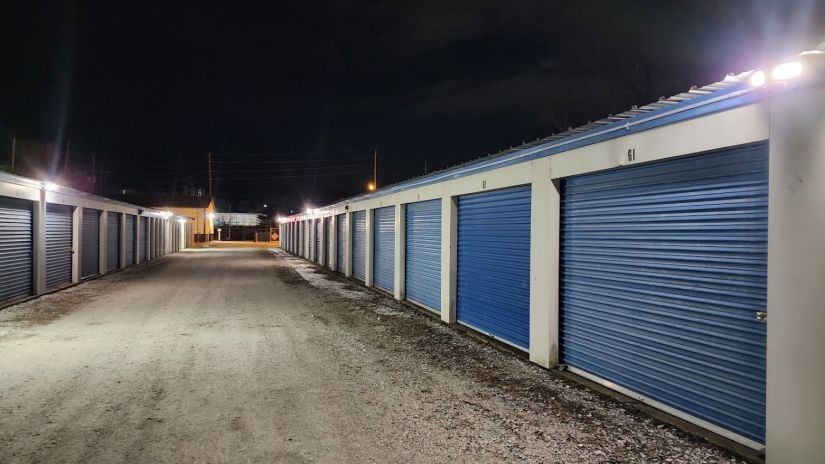
Look for fully fenced, well-lit properties, video surveillance, keypad or electronic gate access, and individual unit security. These features deter theft and provide peace of mind for inventory, tools, or sensitive materials. Advanced systems, including comprehensive camera coverage, elevate protection to a level suitable for commercial users.
Convenience Factors That Support Daily Operations
Drive-up units allow vehicles to pull directly to the door—critical for heavy equipment or frequent inventory turns. Online reservations, touchless rentals, digital access codes, and straightforward billing reduce administrative friction. Extended access hours accommodate early job starts or late deliveries. Month-to-month terms and transparent pricing prevent the lock-in associated with traditional commercial leases. Together, these elements turn storage into a seamless operational tool rather than an afterthought.
Practical Steps to Evaluate and Transition Away from Overpaying
Moving from awareness to action requires a clear process.
Audit Your Current Space Utilization
Walk through your existing office, warehouse, or shop and identify underused areas. Calculate the true monthly cost of that square footage, including all associated expenses. Then estimate how much of the overflow could reasonably move to secure storage. Many businesses discover they can downsize their primary lease or delay expansion entirely.
Match Unit Size and Features to Business Requirements
Smaller units handle records and supplies; mid-size and larger units accommodate bulk inventory, equipment, or even vehicles. Confirm drive-up capability, security protocols, and access policies. Factor in any promotional rates for the initial months to ease the transition. Starting with a right-sized unit allows you to test the model before making larger commitments.
Implement and Monitor the Change
Once you relocate overflow items, track the financial impact over the following quarter. Most companies notice immediate relief in fixed costs and greater operational agility. Adjust unit size as needs evolve—something traditional commercial space rarely permits without renegotiation or penalties.
Conclusion: Stop Subsidizing Empty Space and Invest in Agility
Overpaying for business space in Lafayette is more common than many owners realize. Fixed commercial leases, underutilized square footage, and layered operating costs drain resources that could fuel growth. By auditing current usage, shifting overflow to flexible, secure self-storage, and selecting facilities with strong security and convenient access, local businesses gain both cost control and operational freedom. The result is leaner overhead, better cash flow, and the ability to scale space up or down as market conditions change. Take the first step today: evaluate your space, explore right-sized storage options, and reclaim the capital currently tied up in empty square feet. Your bottom line—and your future flexibility—will thank you.
SpaceVault Self-Storage in Lafayette, IN, at 1652 Canal Rd, helps local businesses stop overpaying for underused commercial space by offering affordable, secure drive-up units ideal for inventory, equipment, contractor materials, and overflow—with features including keypad entry, video surveillance, fenced and lighted grounds, touchless online rentals, free locks, month-to-month flexibility, and strong promotions such as the first two months at 50% off with no fees. Contact them today to right-size your storage needs and keep more capital working for your Lafayette business.


